
Barbie Setting an Example in Color Trademarks
Mattel’s policing of the Barbie Pink color sets an example for limiting the use of a color without the need for a registered trademark.
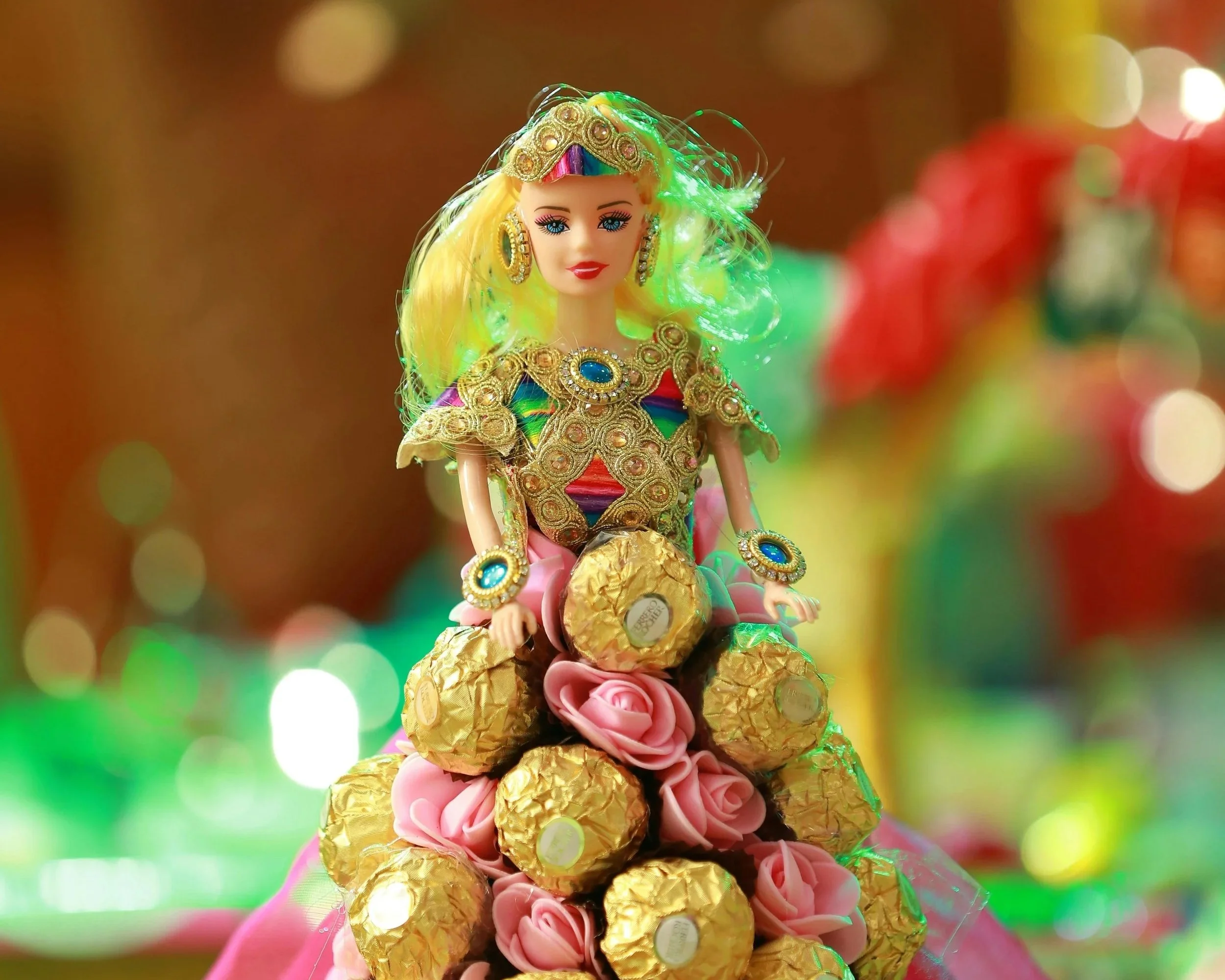
There are some colors that are so synonymous with a brand, they effectively become that brand’s color. Think of colors such as Caterpillar yellow, Coca-Cola red, or John Deere green. One of the most recognizable, if not the most recognizable, of these colors is Barbie Pink. Barbie is Mattel’s most successful IP to this day, and as such they are incredibly protective of every part of the brand, including the color. Though one might believe that Mattel would have acquired every patent, copyright, and trademark related to Barbie, they do not have a registered trademark for the iconic shade of pink that has defined the barbie doll.
The Lanham Trade-Mark Act is a statute enacted by Congress in 1946 which establishes a national system of trademark registration (designated by the “®” mark) and outlines the requirements for a mark to be eligible for trademark protection. See 15 U.S.C. § 1051. In order to be eligible for trademark protection, a mark must (1) be used in commerce; and (2) be so distinctive that it cannot cause confusion, mistake, or deception of other marks or goods. Id. For some time after the Lanham Act was enacted, many courts throughout the U.S. held that color did not qualify for trademark protection based on the specific language of the statute. However, the Supreme Court finally addressed this issue in its 1995 decision in Qualitex Co. v. Jacobson Products Co., Inc. 514 U.S. 159 (1995). In 1991, Qualitex registered a green-gold color it used in its products as a trademark in order to prevent a competitor from using a similar shade on their own products. Id. The Supreme Court held in this case that color can also meet the requirements of the statute and be eligible for a trademark. Id. at 162. A color is capable of becoming so synonymous with a product that it can attain a “second meaning” which identifies and distinguishes a particular brand in the minds of the public. Id. at 162-64. Moreover, the court explained that color does not always play a functional role in the function of a product, and thus the functionality doctrine of the statute cannot bar the use of color alone as a trademark. Id. at 164-65. While this ruling might seem initially concerning due to the possibility that all solid colors could be patented, the reality is that the bar set by the Supreme Court has made it surprisingly difficult for companies to meet the requirements for a color trademark. Examples of this include Pepto Bismol failing to trademark its pink color because its color made it more likely for people to take the medicine, or Cheerios failing to trademark its yellow color because other cereal boxes used similar colors. It is perhaps due to this high bar set by the courts that Mattel has refrained from attempting to register a trademark for the shade of pink they use in their Barbie products, known as Pantone 219c. So, does that mean that Mattel cannot stop other entities from using the shade of pink that has become so synonymous with its most Valuable IP?
Instead of a registered trademark, Mattel has opted to limit the use of Pantone 219c by other entities through common law trademark protections (designated by the “TM” mark). Common law trademark allows an entity to protect a mark in a specific geographic area without having to register this mark. However, unlike registered trademarks which are enforced by federal courts, common law trademarks are enforced by state courts. This means that a common law trademark is not afforded the same uniform set of laws and statutory remedies that come with federal courts and instead must deal with the different laws and varying decisions of each different state court. But regardless of the differences in laws between states, acquiring and enforcing a common law trademark will always require proof that the enforcing party was the first one to use and enforce the mark in commerce in an area. Grupo Gigante SA De CV v. Dallo & Co., Inc., 391 F.3d 1088, 1093 (9th Cir. 2004). Invention or registration of a mark first does not grant an entity priority over trademark rights. Id. There is an exception to this rule, however, if the mark has acquired a “secondary meaning” in the geographic area. Id at 1096-97. This “secondary meaning” is acquired with proof that in the minds of the public in the area, a mark creates a link between a product or service and the source of that product or service. Id at 1095. Despite these requirements and seeming downsides compared to registered trademarks, common law trademark rights have been popular with smaller businesses due to the fact that they require no registration or payment of registration fees, allowing them to protect their marks locally without a large entry barrier. However, for Mattel, common law trademark protection effectively allows them to circumvent the strict requirements of registering a color trademark and still police the use of the Pantone 219c color.
For Mattel, it is relatively easy to argue for common law trademark protection in all 50 states. They have consistently used Pantone 219c with its Barbie Dolls for over 50 years, and the specific shade of pink has become so synonymous with the doll that most people refer to the color as Barbie Pink, showing the deep association between the mark and the product required to obtain a common law trademark. Mattel is so confident of this connection that when promoting the 2023 Barbie movie, they put up billboards which were entirely colored in the iconic Barbie Pink shade except for the film’s release date written in white. An example of Mattel’s limiting of the use of the Pantone 219c color through common law trademark was seen when they brought an action against Rap Snacks seeking to stop the sale of their "Barbie-Que" chips. Complaint, Mattel, Inc. v. Rap Snacks, Inc., No. 2:22-CV-5702, (C.D. Cal. August 8, 2022). Mattel argued that the use of the word “Barbie” along with the prominent use of the specific pink shade used in the Barbie dolls created a false association between the chips and the dolls. Id. Mattel eventually voluntarily dismissed the case, and while the terms of any settlement were not disclosed, Rap Snacks has stopped offering the "Barbie-Que" chips. This demonstrates that while Mattel cannot register a trademark for the Pantone 219c color, it can continue to protect their use of the color throughout common law trademark protection that they can effectively argue for in all 50 states.
Mattel’s efforts serve as an example for other companies seeking to protect colors that they believe serves as a mark defining their product but cannot obtain a registered trademark for these colors, and especially those seeking to trademark a single color instead of a combination of colors. Furthermore, following the pandemic there has been a surge in registered trademark applications due to increased e-commerce, which has created a larger delay in the approval of these applications. Trademarks highlights, World Intellectual Property Indicators 2024: Highlights, https://www.wipo.int/web-publications/world-intellectual-property-indicators-2024-highlights/en/trademarks-highlights.html [https://perma.cc/64VH-RUVK] (last visited Oct 25, 2025). This has pushed larger companies to use common law trademarks as opposed to registered trademarks so as to avoid possible infringements during the approval-pending period where the mark would not be protected. This shift to common law trademarks might cause companies to seek enforcement of their color marks through the common law, whose requirements are not as stringent, which could even lead to race between companies attempting to get first claims to exclusive commercial use of certain colors.