
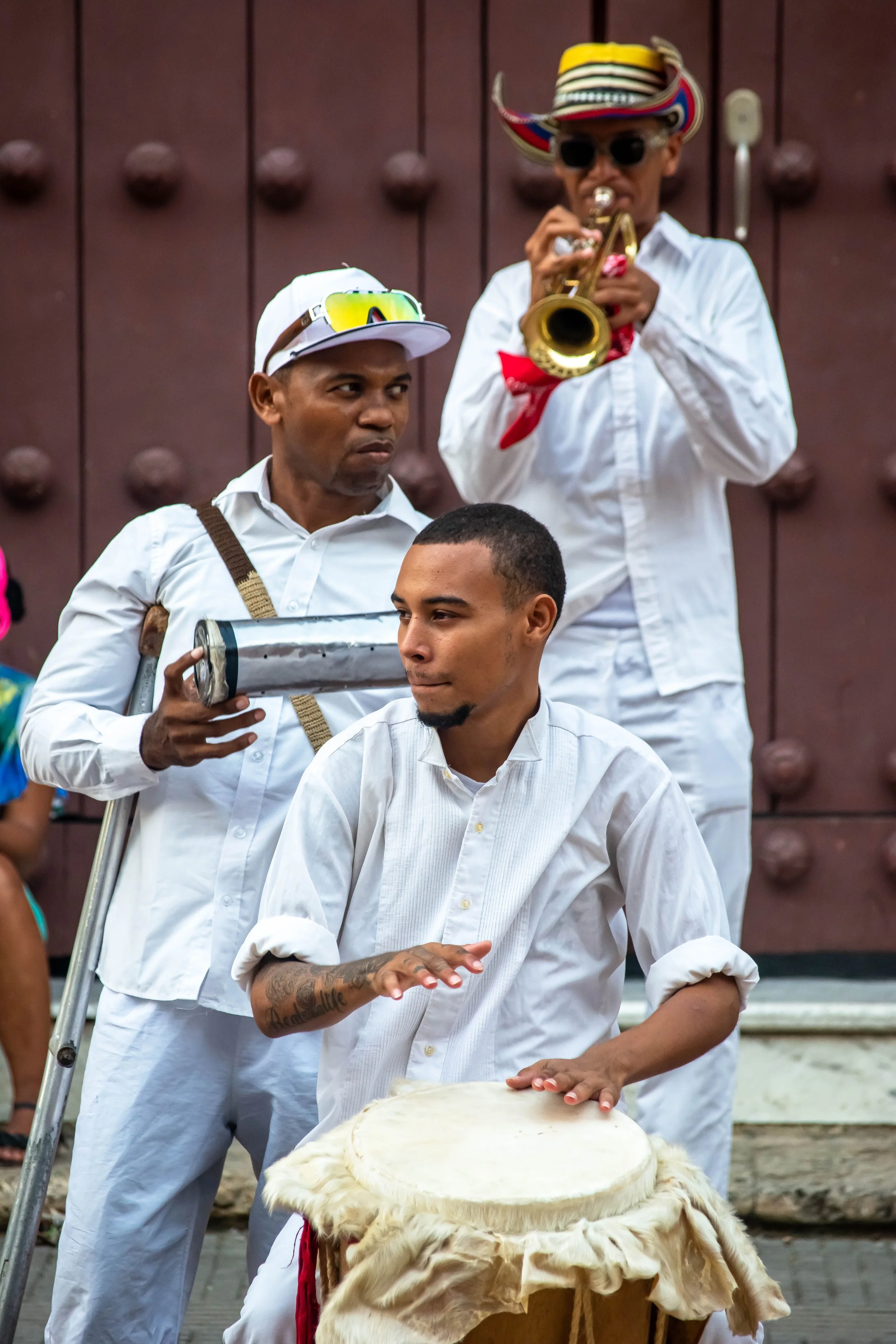
Caribbean Rhythm and Rights: U.S. Copyright Law Protects the Song, not the Sound
U.S. copyright law has not always equally upheld the rigid provisions established in landmark music cases. When the law lacks cultural competency, some genres are exploited while others are protected. Since Caribbean musicians’ ideas and expressions are often intertwined, new precedents must be established to protect this unique sound.
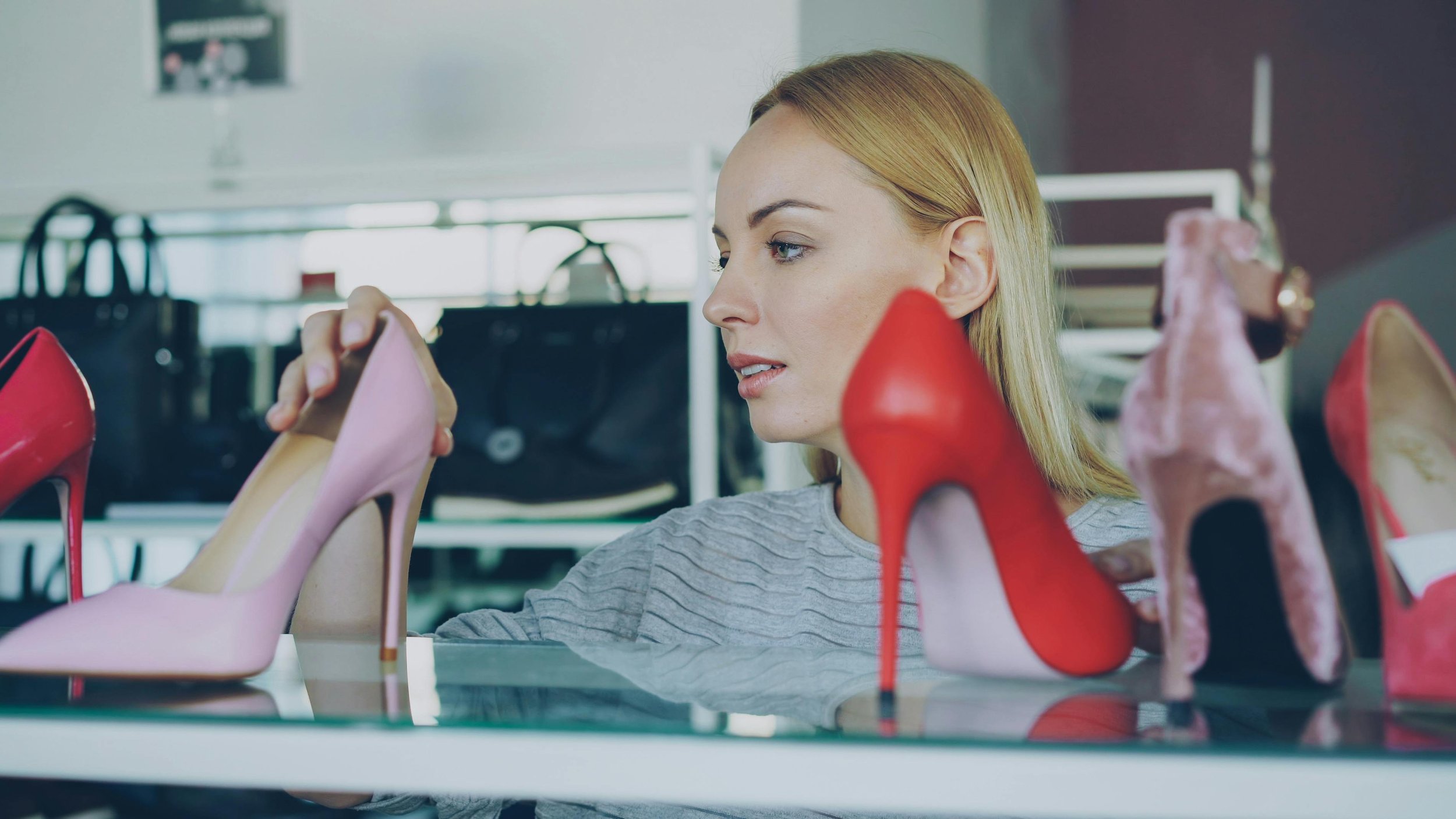
<em>Steven Madden v. Ganni</em>: A Dupes Clash
This blog examines the proliferation of dupes in the fashion space, how consumers have reacted, and how intellectual property law in the U.S. has attempted to regulate it. Steven Madden v. Ganni exemplifies the failure of traditional IP law to regulate dupes and potential solutions to this rising circumstance.
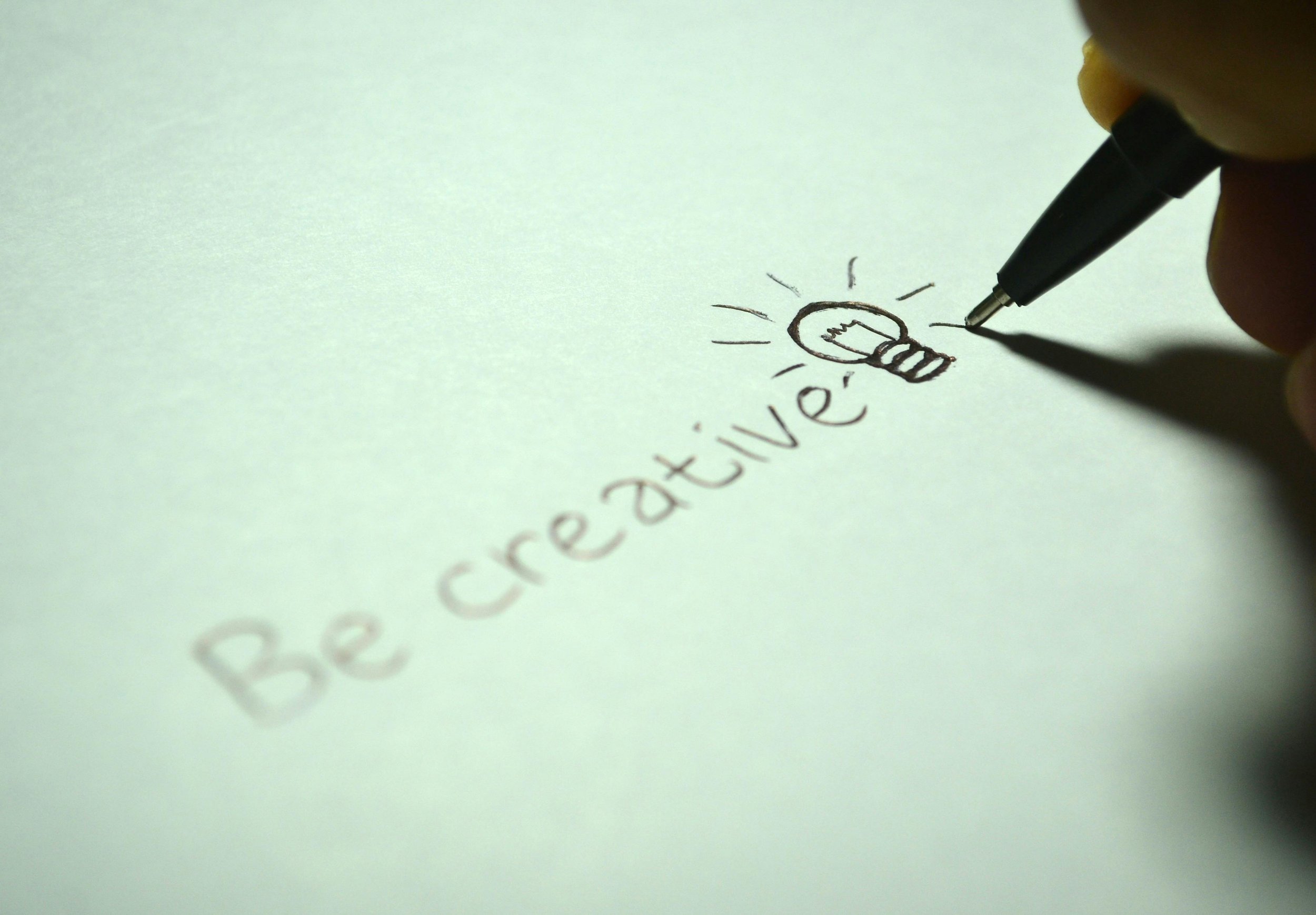
Balancing Power and Innovation: A Dilemma
Small and large businesses both face challenges during collaborative efforts that ultimately lead to legal disputes, including the difficulty of protecting copyright while simultaneously promoting innovation. With Disney as a case study, this article posits that legal professionals are tasked with finding the balance between encouraging stricter copyright protections, encouraging further innovation and creativity, and better defining contributory liability.
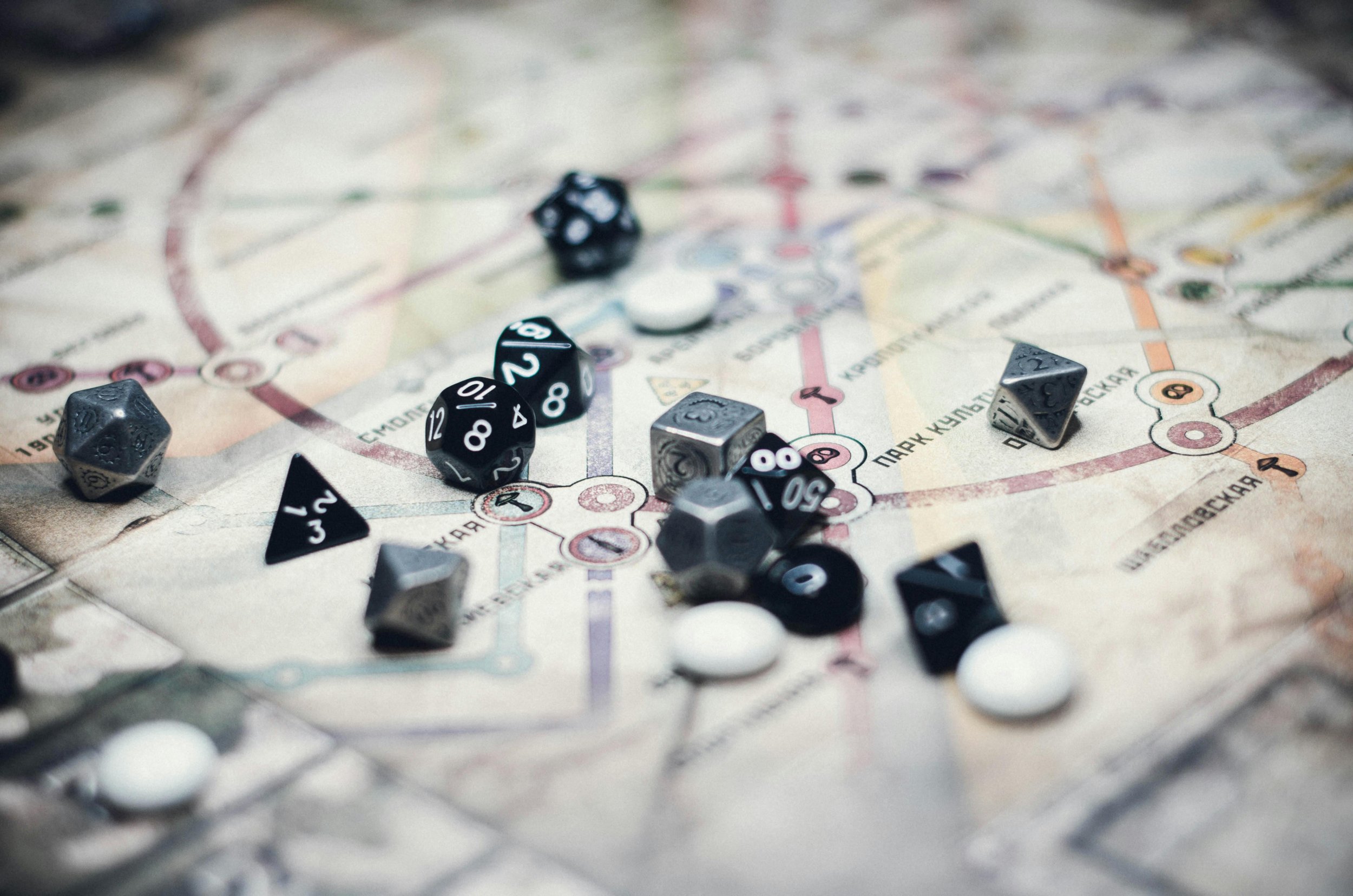
Open Gaming Licenses and Alternatives: How Roleplaying Games are Protecting Their Copyrights
From a legal standpoint, Creative Commons licenses present a stark trade-off for commercial tabletop ecosystems: enabling privatization of community-built derivatives, or effectively foreclosing creators’ ability to reserve proprietary storylines or monetizable supplements. Publishers have adopted bespoke open-gaming frameworks that calibrate grants, attribution, irrevocability, and registration mechanics to preserve downstream creativity while managing litigation risk and market incentives. The real question is whether these companies should be responsible for balancing these values without any guidance from a federal government that is constitutionally empowered to strike that balance fairly.
Copyright Trolls and the Potential Impact on Contributory Copyright Infringement: What Adult Film Companies’ Lawsuits may Indicate about Internet Service Providers’ Liability
A pornographic production company has exploited the legal system by filing lawsuits alleging copyright infringement. The company tracks potential infringers’ IP addresses and subpoenas their internet service providers (“ISPs”) to locate defendants. Other copyright holders utilize similar tactics to bring claims of contributory copyright infringement. ISPs are privy to their users’ information, and copyright trolls rely on subpoenas to gather essential data. Since the information supplied by ISPs is vital to pursuing these contributory copyright infringement claims, ISPs may possibly be held liable for their involvement in their subscribers’ conduct.
Copyrighted Images on Social Media
Perfect 10 established that copyright infringement occurs when content is stored on an entity’s server, thus establishing the server test. However, if the purpose, character, nature, portion, and effect of the work on the market substantially differ, then infringement is not present. Hunley implemented the Perfect 10 decision in social media, determining that while a social media platform hosts the photograph on its server, the platform’s terms of use likely grant the social media platform a license.

Earning a Fair Share: Where Copyright Law Falls Short for Creators and What Policies Have Narrowed the Divide
Musicians have long battled to be fairly compensated for the value of their work. Through strategic negotiations by the industries top artists and policymakers taking a stand, the scale is beginning to tilt in their favor.

Who Owns the BU?
An analysis of the recent copyright infringement lawsuit filed by Baylor University against Boston University for allegedly using a confusingly similar interlocking BU logo.
Taylor Swift is a Pioneer of Intellectual Property Rights
Every time Taylor Swift walks out of her door she facilitates massive changes for intellectual property rights of artists in the music industry.

Copyright Infringement vs. Fair Use in the Wake of Artificial Intelligence
Thomson Reuters prevailed in its lawsuit against Ross Intelligence over artificial intelligence and copyright infringement. This ruling marks the first case to apply the four-factor fair use test to find copyright infringement by an AI model.


OpenAI Seeks Dismissal of New York Times Copyright Infringement Lawsuit
OpenAI filed a motion to dismiss a December 2023 lawsuit from the New York Times. The initial suit claims OpenAI infringed The Times’ copyrights by using millions of their articles to generate news answers for users who illegally accessed those articles.

Is Fast Fashion Destroying the Industry?
Fast-fashion companies have been using other designers’ clothing and accessories, recreating the items, and selling them at a much lower price. While trademark and copyright law are sometimes helpful in addressing these issues, the world has started to see a shift in how companies are addressing this problem.

Is History Repeating Itself? The Metaphorical Burning of Alexandria 2.0
In Hachette v. Internet Archive, the United States Court of Appeals for the Second Circuit affirmed a District Court's decision against Internet Archive (“IA”). IA scanned physical books to loan digitized copies to its users through their Open Library Project, claiming fair use of the materials. The Court ruled in favor of the publishers’ claim for copyright infringement.