
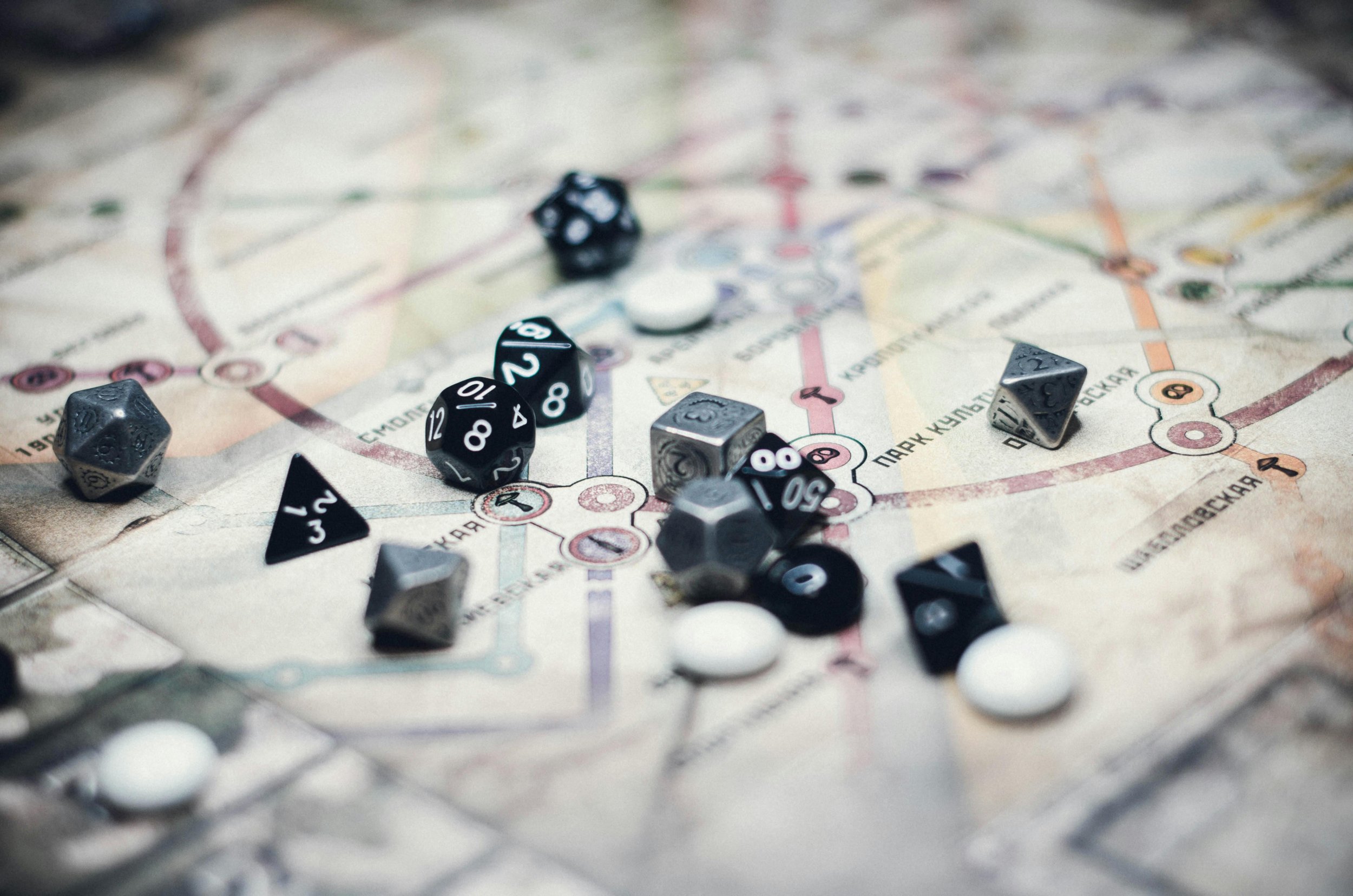
Open Gaming Licenses and Alternatives: How Roleplaying Games are Protecting Their Copyrights
From a legal standpoint, Creative Commons licenses present a stark trade-off for commercial tabletop ecosystems: enabling privatization of community-built derivatives, or effectively foreclosing creators’ ability to reserve proprietary storylines or monetizable supplements. Publishers have adopted bespoke open-gaming frameworks that calibrate grants, attribution, irrevocability, and registration mechanics to preserve downstream creativity while managing litigation risk and market incentives. The real question is whether these companies should be responsible for balancing these values without any guidance from a federal government that is constitutionally empowered to strike that balance fairly.

Steamboat Willie Enters Public Domain
On January 1, 2024, Steamboat Willie from Walt Disney Animation Studios entered the public domain. Disney successfully extended copyright through lobbying, but recent laws led to its expiration. Horror adaptations of Steamboat Willie are planned. Despite concerns, Disney's brand and trademark protections likely shield it from significant harm.

Is the British Museum Losing Its Marbles? Copyrighting Antiquities and the Museum's Future In the Face of 3D Scanning Technology
The British Museum faces legal challenges over the Elgin Marbles, with the Institute for Digital Archaeology’s 3D scanning efforts sparking debates on copyrights, cultural heritage, and the future of historical artifact preservation.