

All I Want for Christmas Is… to Stop Getting Sued
Mariah Carey is being sued for copyright infringement relating to lyrics in her infamous song All I Want for Christmas is You—for the third time.
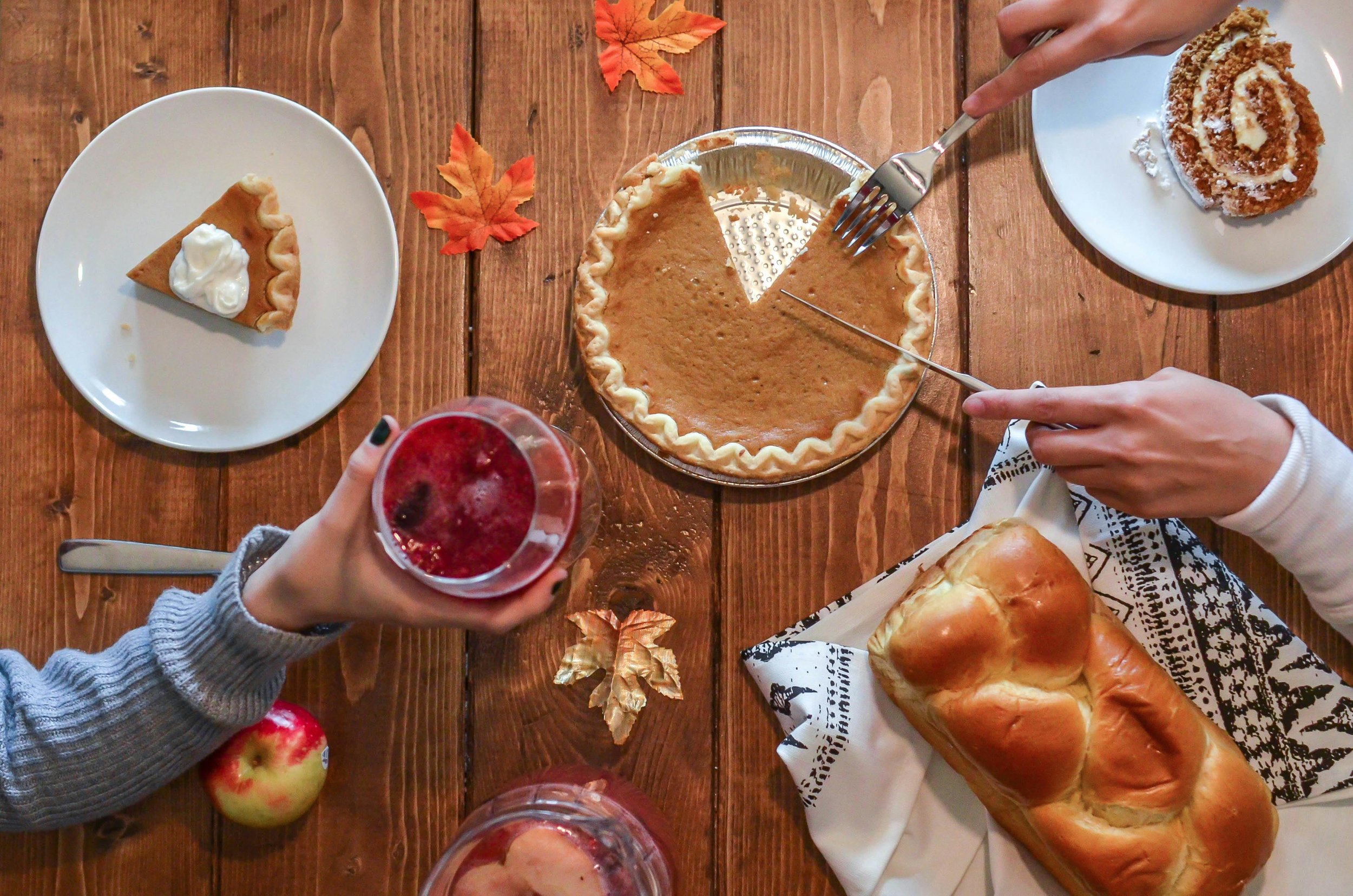
Who Owns The Copyright For AI-Generated Thanksgiving Recipes?
New York Times food writer Priya Krishna used OpenAI products to generate new Thanksgiving recipes and images, prompting the question: who owns the copyright for these recipes? According to OpenAI’s terms of use, Ms. Krishna owns them, but in reality, copyright for machine generated content is more complicated than that.

Protecting the Creative Outlaws: Graffiti in the United States
As an explosive cultural phenomenon that actively shapes the urban environment, graffiti has a conflicting relationship with the law. This blog explores the relationship between the outlaw nature of graffiti and the intellectual property laws that attempt to provide protection thereof.

The “Rage” Continues: Who Owns the Bob Woodward Trump Interview Recordings?
In January 2023, Former President Donald Trump sued veteran journalist Bob Woodward over the release of audio recordings coming from interviews Trump gave with Woodward. If this suit makes it to court, key questions impacting journalism will be addressed, including who owns an interview, assuming an interview is copyrightable.

A.I. Essays: Fraud in the Classroom or Final Frontier of Authorship?
AI writing tools like OpenAI’s GPT-3 and Google’s Lambda are transforming essay writing by generating coherent, human-like text in seconds, raising concerns about plagiarism and the integrity of academic work. While current copyright law does not protect AI-created works, debates around intellectual labor, creativity, and machine-driven outputs are intensifying. Critics worry that AI enables users to bypass the intellectual effort required in writing, while supporters argue it can make education more accessible and level the playing field for students with fewer resources. As AI evolves, it challenges institutions to rethink the boundaries of creativity and ownership.

<em> Andy Warhol Foundation v. Goldsmith </em>
Outside the U.S. Supreme Court, the public line elongated as more spectators joined and waited on the chilly morning of October 12th. Around 10 A.M., the Court heard the oral arguments in an art appropriation case, Andy Warhol Foundation v. Goldsmith. The Court granted certiorari and reviewed the holding of the U.S. Court of Appeals for the 2nd Circuit. The petitioner Andy Warhol Foundation challenged the lower court's decision in fair use defense. That evening, AUWCL hosted the "I.P. at the Supreme Court series: Andy Warhol Foundation for the Visual Arts v. Goldsmith." The panelists carefully surveyed the oral arguments and the 2nd Circuit's decision. This article provides readers with the background of the 2nd Circuit decision and some principal precedents that contoured the fair use doctrine.

“Repatriating” Indigenous Digital Heritage: The Rise of TK Labels and Licenses
The indigenous communities worldwide treat their traditional knowledge as shared wisdom, know-how, skills, and fruits of intellectual exercises that pass down from generation to generation. On the flip side, Western intellectual property (IP) protection’s philosophical and legal basis emphasizes the proprietary right to exclude others from using owned knowledge. Such divergence corners the intangible cultural materials that belong to indigenous communities globally, putting them in a powerless position. However, there is a silver lining in harnessing more systematic, legal protections for traditional knowledge—through the Traditional Knowledge (TK) label and licensing.


Steamboat Willie Enters Public Domain
On January 1, 2024, Steamboat Willie from Walt Disney Animation Studios entered the public domain. Disney successfully extended copyright through lobbying, but recent laws led to its expiration. Horror adaptations of Steamboat Willie are planned. Despite concerns, Disney's brand and trademark protections likely shield it from significant harm.
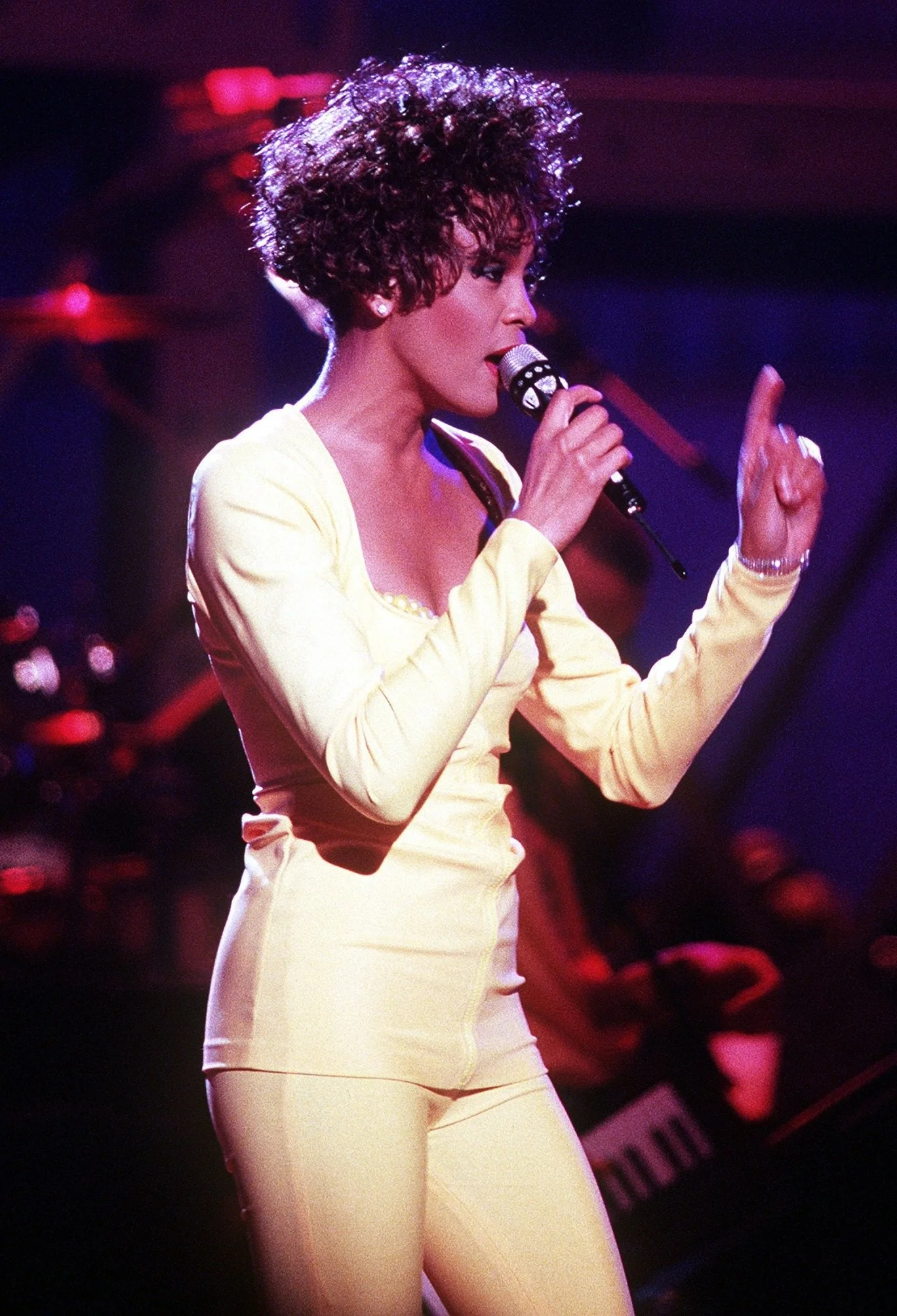
Biopic Legal Woes: Sony Suit Over Unpaid Fees
Two years after the Whitney Houston Biopic was released in theaters in the winter of 2022, Sony filed suit against Anthem Films LLC for unpaid fees concerning the late singer’s recordings held by Sony that were used in the Biopic.

Ex’s and Oh No’s: Bad Bunny’s Ex Sues for Copyright Infringement
Puerto Rican rapper Bad Bunny was sued for copyright infringement by his ex-girlfriend who claims that her voice is used without her consent in two songs: “Pa Ti” and “Dos Mil 16.”

Game Development and Copyright Infringement: Valve, South Korea, and <em> Dark and Darker </em>
This case study illustrates how intellectual property affects the fastest-growing entertainment medium in the world through an analysis of the legal drama surrounding Dark and Darker, a hit indie game that was delisted from digital storefronts following allegations of copyright infringement.

No Right to Copyright for AI
The owner of an artificial intelligence filed a suit against the United States Copyright Office for denying his application for a piece of visual art created by the AI. This case has recently been appealed and will be a landmark decision regarding the rights of AI and their owners to the work that is created by AI.

The Copyright Royalty Board Affirmed Royalty Rates from 2022 and Set Rates Through 2027
In the summer of 2023, after streaming services appealed the 2018 decision by the Copyright Royalty Board that decided phonorecord licensing rates, the Board affirmed its original decision that granted artists 15.1% of the streaming services’ overall revenue through 2022. The Board also set rates to increase to 15.35% through 2027.

Fortnite Dance Under Fire Over Copyright Lawsuits
Renowned choreographer Kyle Hanagami has appealed a copyright violation claim against Fortnite (Epic Games), alleging its emotes copy his YouTube choreography.

Statute of Litigations: The Supreme Court Remixes Copyright Rules
The Supreme Court has granted a petition to review the 11th Circuit’s decision in Nealy v. Warner Chappell Music, Inc. to resolve a circuit split regarding the Copyright Act’s statute of limitations and the circuit courts’ discovery rules regarding copyright infringement.

Beyond Earth: Intellectual Property Rights and Space Exploration
When intellectual property in space is involved, challenges in determining jurisdictional and legal frameworks for space activities, contrasting perspectives on extending Earth's IP laws to space, and contemplating the development of a new set of laws specific to space are prevalent. Clear and comprehensive IP laws are necessary to protect innovators and promote exploration and collaboration in the evolving space industry.
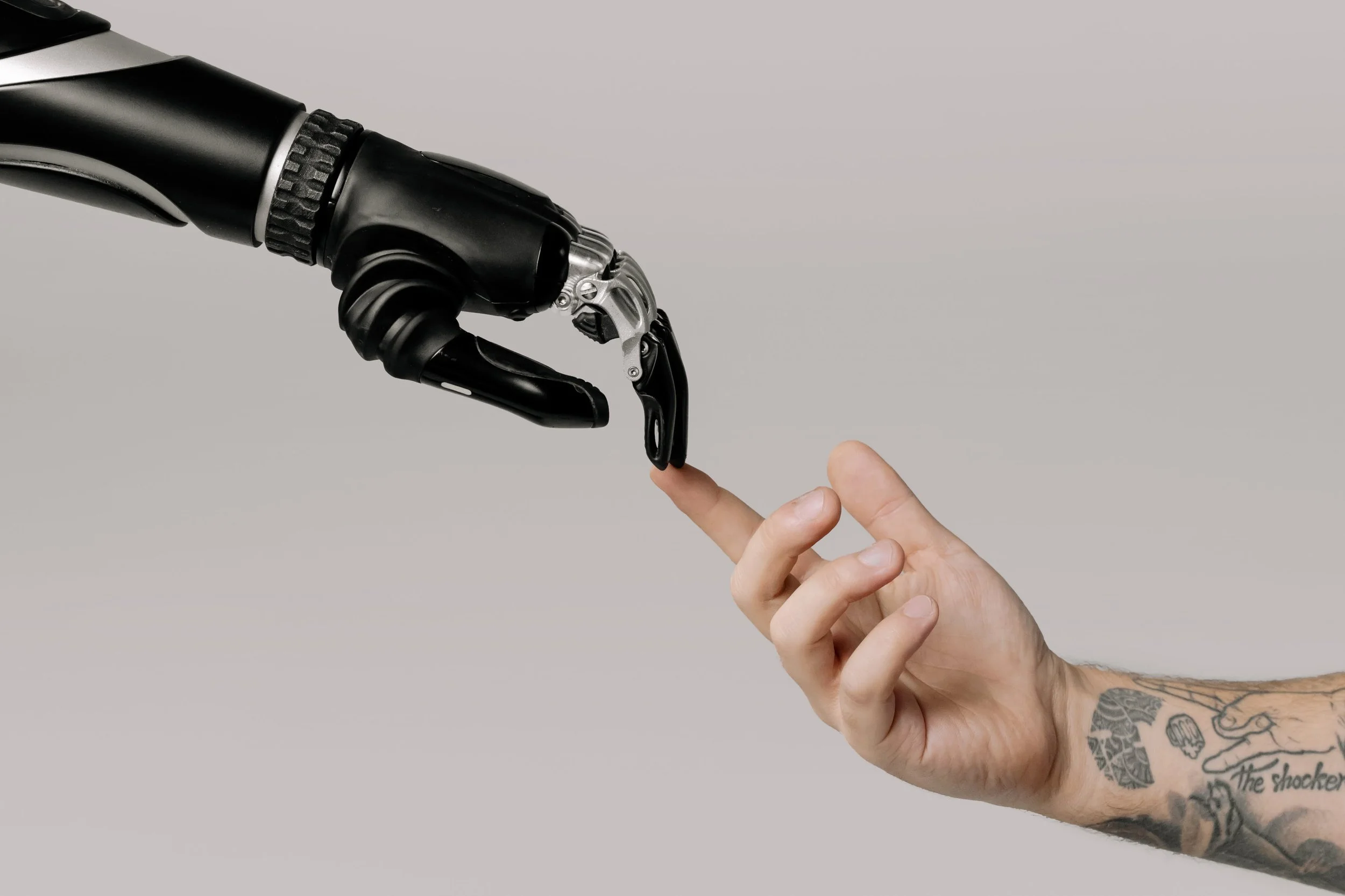
AI vs. Artists: The Bout of the Decade
AI's rapid growth is raising legal concerns, as AI models allegedly use copyrighted materials to train. Lawsuits are questioning AI's legality, as well as its impact on artists and copyrighted content. As the cases are determined, so too will the technology's future and its impact on creators' rights.

Copyright Claims Board – A Story of Insufficient Pleadings and Voluntary Adjudication
The year-old Copyright Claims Board can only hear claims within a limited scope and allows respondents to opt-out of proceedings. Although the Board was established to provide an affordable venue for copyright owners to bring small claims, its narrow purview and voluntary nature have yielded only one decision on the merits since its founding in 2022

AI and Copyright: Can Art Created by Generative AI Qualify for Copyright Protection?
Computer Scientist Stephen Thaler aspires to expand the definition of authorship in the copyright registration context. If his appeal is dismissed, this will affirm that AI generated works of art do not satisfy the requirement of traditional-human authorship in an application for copyright protection.