
Amazon “Nonsense” Marks
What’s up with all the gibberish brand names on Amazon? And why is it a huge problem for the USPTO?
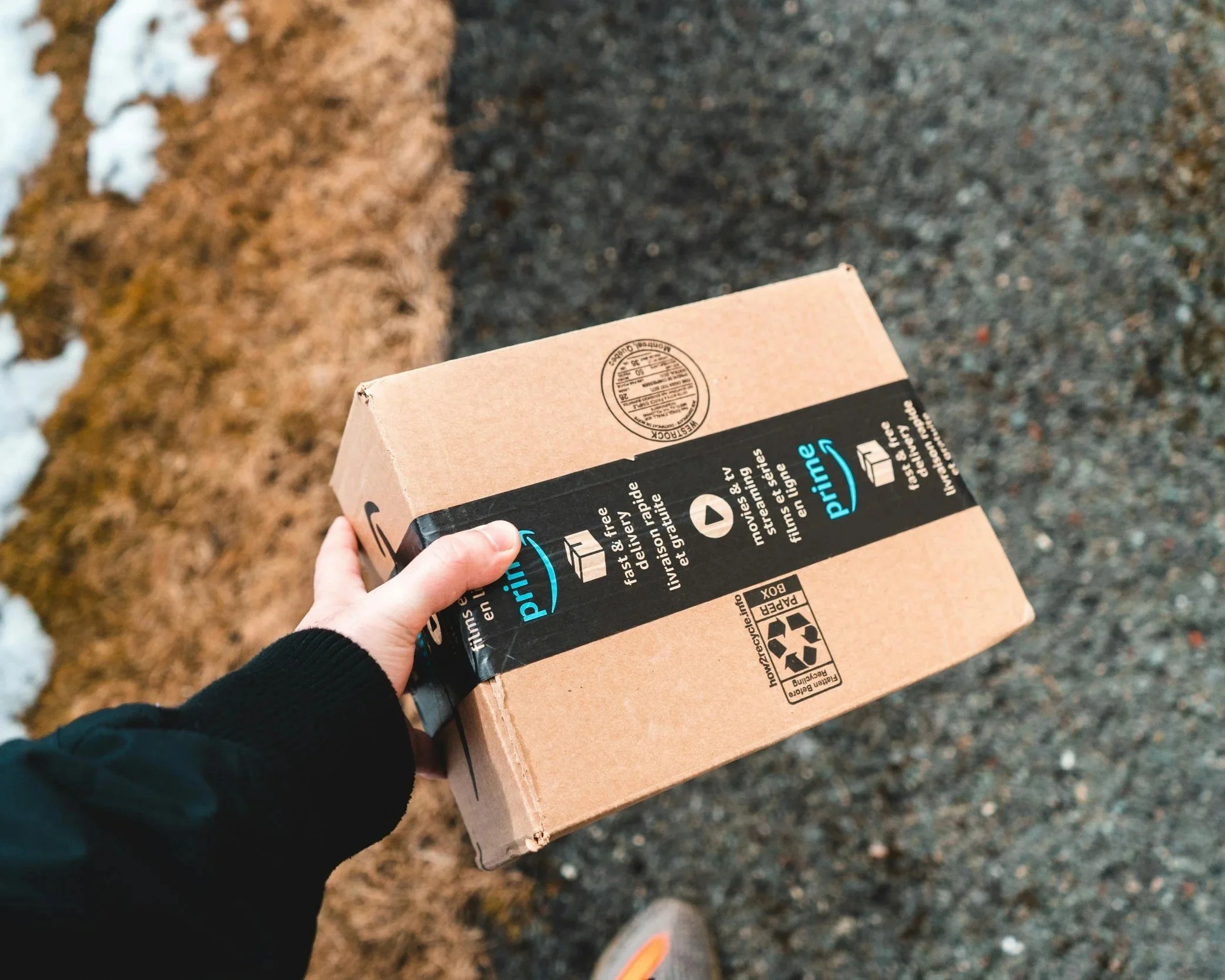
If you’ve scrolled through your shopping cart on Amazon recently, you may have noticed brand names made up of nonsensical, unpronounceable strings of letters like “AXEBEF” or “XYCHKO”. These labels seem less like real brands and more like someone randomly smashed their keyboard. These “brands” have presented significant challenges for the U.S. Patent and Trademark Office (USPTO). They are called “nonsense marks” and are mainly driven by the Amazon Brand Registry, a platform that requires sellers to have a pending trademark application, a registered trademark, an authorization letter from the trademark owner, or proof of a licensing agreement to enroll their brand. Amazon Brand Registry, https://sell.amazon.com/brand-registry?tag=googhydr-20&hvadid=765811534968&hvpos=&hvexid=&hvnetw=g&hvrand=13864506413542187432&hvpone=&hvptwo=&hvqmt=e&hvdev=c&hvdvcmdl=&hvlocint=&hvlocphy=9008143&hvtargid=kwd-329735142904&ref=pd_sl_51utl38aci_e (last visited Feb. 22, 2026)
Once a brand is enrolled, it gains access to enhanced selling features like marketing tools, a percentage back on sales, and credit towards sponsored product ads. Id. Amazon created the Brand Registry to take more responsibility for combating counterfeit versions of established brands on its platform. Id. The program detects and reports suspected intellectual property infringement and uses accurate reports to train their feedback loop that automatically blocks violations. Id. Brand owners can also use the “Report a Violation” tool to find and submit complaints regarding unauthorized use of their marks. Amazon Brand Registry Application Guide, https://www.amazon-brand registry.com/Brand_Registry_Application_Guide_NA?initialSessionID=141-8707551-8659607&ld=NSGoogle_googhydr-20&pageName=US%3ASD%3AABR-main&ldStackingCodes=NSGoogle (last visited Feb. 22, 2026). This process allows for quicker removal without costly and time-consuming legal action. How Amazon is Changing the US Trademark System, https://www.nyu.edu/about/news-publications/news/2025/july/how-amazon-is-changing-the-us-trademark-system.html (last visited Mar. 8, 2026).
At first glance, this system seems to improve the shopping experience for both customers and sellers. Id. However, many overseas sellers, especially from China, have started registering meaningless marks for generic goods to exploit the system. Amazon’s Quiet Overhaul of the Trademark System, https://www.californialawreview.org/print/amazon-trademark (last visited Mar. 8, 2026). By applying for marks made up of a random string of letters, sellers can bypass the most common trademark registration hurdles, such as Section 2(d) refusals for likelihood of confusion and refusals for descriptiveness. Id. This resulted in a 12% surge in the number of trademark applications filed in fiscal year 2017, coinciding with the official launch of the Amazon Brand Registry that same year. United States Patent and Trademark Office, THE FUTURE PERFORMANCE & ACCOUNTABILITY REPORT FY 17, https://www.uspto.gov/sites/default/files/documents/USPTOFY17PAR.pdf (last visited Feb. 22, 2026). Part of the increase seen in 2017 may also be attributed to the USPTO’s push towards electronic filing during that time. Id. By comparison, new trademark filings increased by 5.2% in fiscal year 2015 and 7.5% in fiscal year 2018. United States Patent and Trademark Office, THE FUTURE PERFORMANCE & ACCOUNTABILITY REPORT FY 16, https://www.uspto.gov/sites/default/files/documents/USPTOFY16PAR.pdf (last visited Feb. 22, 2026); United States Patent and Trademark Office, THE FUTURE PERFORMANCE & ACCOUNTABILITY REPORT FY 18, https://www.uspto.gov/sites/default/files/documents/USPTOFY18PAR.pdf (last visited Feb. 22, 2026).
The wave of applications for “nonsense” marks has put considerable pressure on the USPTO. How Amazon is Changing the US Trademark System, https://www.nyu.edu/about/news-publications/news/2025/july/how-amazon-is-changing-the-us-trademark-system.html (last visited Mar. 8, 2026). Examiners must spend a lot of time and resources reviewing many applications for marks that are not functioning as genuine indicators of the source of goods or services. Id. Once registered, these marks may even prevent legitimate trademark applications that share similar characteristics from registering. Id. These nonsense marks appear in searches, blocking or delaying later filed applications for marks that share similar letter combinations or designs, even when the “nonsense” mark lacks real brand recognition. Id. The registration of these marks not only strains the resources at the USPTO but also risks cluttering the register with invalid marks. Id.
Amazon could help reduce the abuse of its own system. The Amazon Brand Registry relies heavily on proof of a trademark application or registration as proof of brand legitimacy. Seller Registration Guide, https://sell.amazon.com/sell/registration-guide (last visited Mar. 8, 2026). Amazon could implement additional verification mechanisms, such as requiring sellers to demonstrate consistent commercial use of a mark prior to enrollment or requiring documented proof of product development or sales history. Id. Amazon could also update its automated infringement reporting system so that complaints based solely on newly registered marks trigger manual review before listings are taken down. Id. These changes would help prevent bad actors from weaponizing the brand registry to remove competition from other businesses. Id.
There have already been cases addressing “nonsense marks”, in Home It, Inc. v. Wen, the court considered a dispute in which a company had been using a mark to sell products on Amazon since 2014 without applying for the trademark. Home It, Inc. v. Wupin Wen, No. 19-CV-7070, 2020 U.S. Dist. LEXIS 9879 at 2-5 (E.D.N.Y. Jan. 21, 2020). Another party then applied to register the same mark, allegedly making fraudulent claims of prior use in commerce. Id. After the registration was granted, Amazon removed the original seller’s products, citing complaints that they were infringing upon the registrant’s intellectual property rights. Id. Repeated reports of infringement can lead to total suspension of a seller’s account. Id. Cases like this illustrate how this system can be weaponized by bad actors. Id.
While these marks may be considered inherently distinctive and avoid confusion rejections, they do not function as true trademarks because they fail to help consumers recognize the source of a product. Amazon’s Quiet Overhaul of the Trademark System, https://www.californialawreview.org/print/amazon-trademark (last visited Mar. 8, 2026).The proliferation of nonsense marks through the Amazon Brand Registry raises questions about how these marks undermine the fundamental goals of trademark protection: promoting source identification for goods and services, reducing consumer confusion, and fostering trust in the marketplace. Id.