
<em>Steven Madden v. Ganni</em>: A Dupes Clash
This blog examines the proliferation of dupes in the fashion space, how consumers have reacted, and how intellectual property law in the U.S. has attempted to regulate it. Steven Madden v. Ganni exemplifies the failure of traditional IP law to regulate dupes and potential solutions to this rising circumstance.
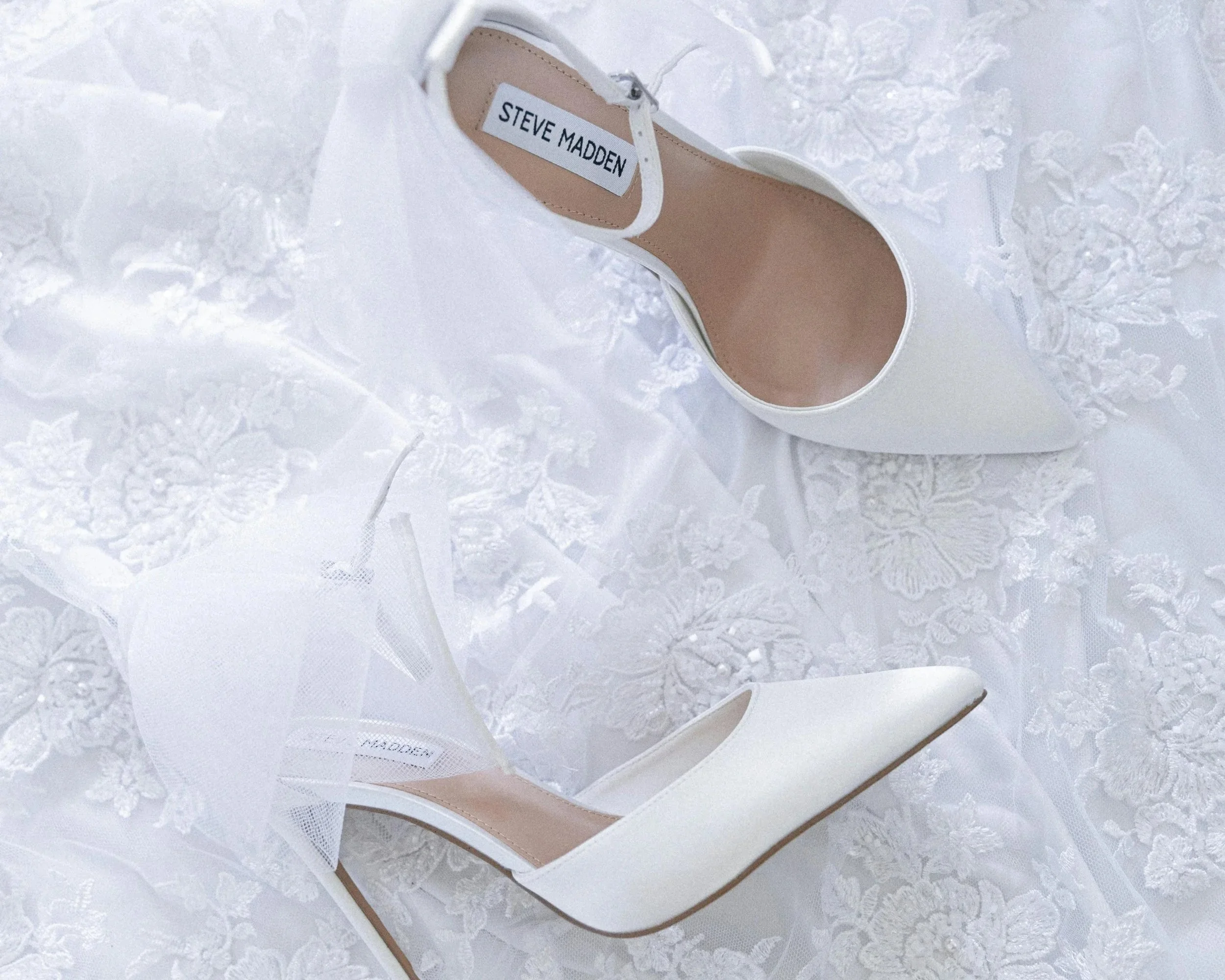
In 2026, the average shopper of branded products, informed on trends and slightly frugal, does not aim to purchase the earliest creation of their desired item. For example, someone shopping for a pair of comfortable, yet stylish pair of ballet flats would gravitate toward a recognizable brand, offering a current, on-trend design within a reasonable budget. This consumer mindset has heightened the demand for “dupes” – products inspired by originals that seek to imitate the original without tricking customers into thinking they are alike, therefore avoiding infringement. Client advisory – trends in dupes & super-fakes in luxury retail, White & Case (Jan. 9, 2026), https://www.whitecase.com/insight-alert/client-advisory-trends-dupes-super-fakes-luxury-retail; HR Fitzmorris, Duped or Duplicated? The Difference Between A Counterfeit And An Accessible Homage, Washington Journal of Law, Technology & Arts (Mar. 13, 2023), https://wjlta.com/2023/03/13/duped-or-duplicated-the-difference-between-a-counterfeit-and-an-accessible-homage/. The proliferation of dupes in the fashion market is illustrated by the Steven Madden v. GANNI dispute. Complaint, Steven Madden, Ltd. v. Ganni A/S, No. 1:24-cv-04946-BMC (E.D.N.Y. Dec. 6, 2024) 2024 WL 5398941.
In December 2024, Steve Madden sued Ganni for tortious interference and libel due to Ganni’s “anticompetitive efforts to monopolize common design features in the fashion industry.” Id. ¶ 1. Ganni, a Danish ‘affordable luxury’ brand, sent out several cease-and-desist letters to Steve Madden and its wholesalers, such as Nordstrom, Inc. and Dillard’s, Inc. claiming that Steve Madden’s “GRAYA” flat and “SANDRIA” sandal infringed Ganni’s global copyrights, among other intellectual property rights, on its own “Feminine Buckle Ballerina” (“Buckle Ballerina”) and “Feminine Buckle Two-Strap Sandal” (“Two-Strap Sandal”). Id. ¶ 3. After Steve Madden filed this lawsuit and sought declaratory judgment of non-infringement, Ganni conceded that it did not have any IP rights in its shoe design in the United States. Id. ¶¶ 3-4. After much deliberation, the parties reached a settlement. Kyle Jahner, Steve Madden Settles Suit Over Danish Brand’s ‘False’ IP Claims, Bloomberg (Mar. 5, 2025), https://news.bloomberglaw.com/ip-law/steve-madden-settles-suit-over-danish-brands-false-ip-claims.
This lawsuit highlighted the regulatory challenges posed by the expanding dupe market within the framework of IP law. In Feist Publications, Inc. v. Rural Tel. Serv. Co., Inc., the Supreme Court held that in order “to qualify for copyright protection, a work must be original to the author.” 499 U.S. 340, 345 (1991). Originality is based on independent creation of the work by the author and possession of at least some minimal level of creativity. See id. In the Steve Madden case, Ganni’s claims of infringement did not carry any weight because Ganni did not own any registered copyrights, trademarks, trade dress, or design patents in the U.S. Compl. ¶ 4. Ballet flats are not unique to Ganni, as they have been a popular women’s footwear option in mainstream American fashion since the early 1940s. Id. ¶ 19. Without any registered IP rights on such a common fashion item, it is difficult to protect a trendy product from being duplicated.
Dupes have become extremely attractive to Gen-Z consumers because of their accessibility to trends at a lower cost. See Fitzmorris, supra. Teens and young adults who cannot afford Ganni’s Buckle Ballerina for $425, excluding international shipping costs that have only been rising due to recent tariffs, can purchase it from Steve Madden and its wholesalers for less than $100 within the U.S. Compl. ¶ 41. Apart from cost-effectiveness, social media outrage on the poor quality of luxury items has fanned the flames of a dupe culture where imitation items are now considered stylish. Lindsey Tramuta, Luxury Counterfeiters Keep Outwitting Makers of $10,000 Handbags (2), Bloomberg (June 20, 2025), https://news.bloomberglaw.com/ip-law/luxury-counterfeiters-keep-outwitting-makers-of-10-000-handbags-2; White & Case, supra. Dupes are now considered a more practical alternative for inaccessible luxury items. White & Case, supra. With the prices of luxury goods steadily rising and the added burden of tariffs on imported goods, the market for dupes will likely keep growing. Tramuta, supra.
Despite consumer satisfaction with dupes, their prevalence could have detrimental impacts on consumer perception of valuable goods, scarcity, and exclusivity of authentic luxury items. White & Case, supra. Dupes are also increasingly common because they circumvent traditional IP regulations, especially in jurisdictions with weak design rights. See id. Like in Ganni’s situation, dupes multiply quickly because companies cannot meet the requirements for traditional IP regulations, such as copyright. See Compl. ¶ 56. U.S. law has attempted to combat dupes using tools such as trademark, trade dress, and design patent protections. White & Case, supra. Principles of unfair competition and false advertising have also proven helpful in combatting this issue. See id. Despite these legal tools, clearly identified dupes can still bypass IP restrictions if courts find that the items do not confuse consumers. See id. So, while dupes are a trendy and affordable alternative to luxury items for consumers, they prove to be pestilent to luxury fashion companies and other traditional IP right-holders.
The rising phenomenon of dupes is welcomed by consumers but heavily criticized by affected brands, usually luxury producers. This issue has been difficult to regulate under IP law because of the technicalities involved in protecting widely used designs and product features. See id. The Steven Madden v. Ganni case exemplified the difficulties faced when brands attempt to claim exclusive IP rights in widely used and accessible fashion trends, such as the ballet flat. See Compl. ¶ 58. Ganni particularly struggled to protect its IP rights in the U.S. because it did not have any IP rights in the shoe design and would struggle to copyright the shoe in the U.S., per the rule from Feist. See id. ¶¶ 4, 19; 499 U.S. at 345. Steve Madden claimed that Ganni attempted to monopolize a design commonly used in the fashion industry, in absence of any trademark or copyright on the design. See Compl. ¶¶ 1, 58-61.
Should dupes be treated tolerantly because of their economic value in free market economies? Should IP law account for consumer tolerance of dupes or should it take a harsher stance on these copycat products? These are questions that only time will tell based on societal changes. Courts have attempted to help producers protect their products through IP frameworks such as copyrights, trademarks, trade dress, or design patents. More creative approaches to combatting dupes can also be pursued under publicity rights. Ultimately, the socio-economic value of dupes might outweigh their impairment of the luxury fashion market but there are protective measures in place under various IP rights.