
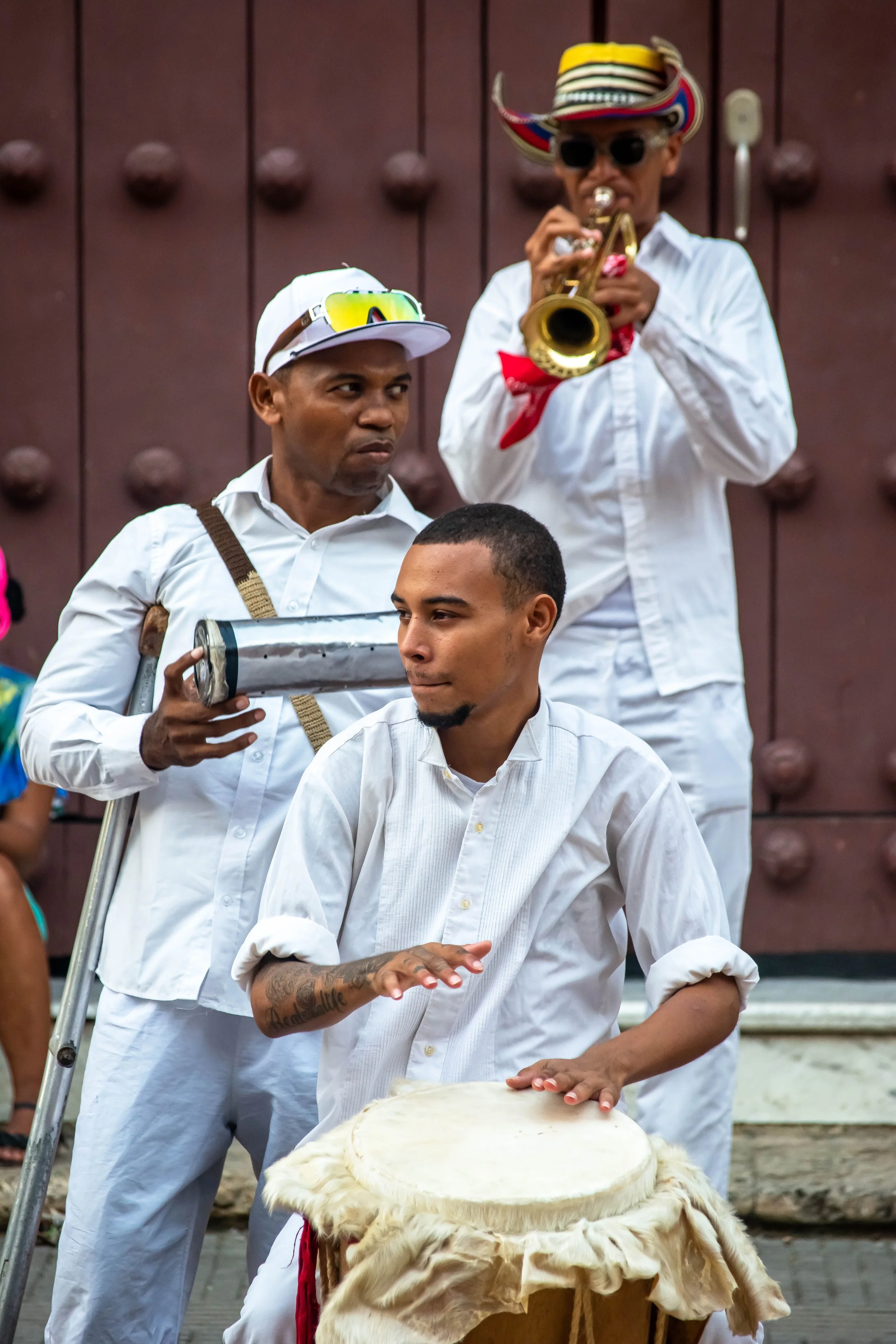
Caribbean Rhythm and Rights: U.S. Copyright Law Protects the Song, not the Sound
U.S. copyright law has not always equally upheld the rigid provisions established in landmark music cases. When the law lacks cultural competency, some genres are exploited while others are protected. Since Caribbean musicians’ ideas and expressions are often intertwined, new precedents must be established to protect this unique sound.

<em>Steven Madden v. Ganni</em>: A Dupes Clash
This blog examines the proliferation of dupes in the fashion space, how consumers have reacted, and how intellectual property law in the U.S. has attempted to regulate it. Steven Madden v. Ganni exemplifies the failure of traditional IP law to regulate dupes and potential solutions to this rising circumstance.
Balancing Power and Innovation: A Dilemma
Small and large businesses both face challenges during collaborative efforts that ultimately lead to legal disputes, including the difficulty of protecting copyright while simultaneously promoting innovation. With Disney as a case study, this article posits that legal professionals are tasked with finding the balance between encouraging stricter copyright protections, encouraging further innovation and creativity, and better defining contributory liability.
AI, Copyright, and the Courts: <em> Bartz v. Anthropic </em>
How the court clarified fair-use boundaries and accelerated the rise of licensing markets for AI training data.
Copyright Trolls and the Potential Impact on Contributory Copyright Infringement: What Adult Film Companies’ Lawsuits may Indicate about Internet Service Providers’ Liability
A pornographic production company has exploited the legal system by filing lawsuits alleging copyright infringement. The company tracks potential infringers’ IP addresses and subpoenas their internet service providers (“ISPs”) to locate defendants. Other copyright holders utilize similar tactics to bring claims of contributory copyright infringement. ISPs are privy to their users’ information, and copyright trolls rely on subpoenas to gather essential data. Since the information supplied by ISPs is vital to pursuing these contributory copyright infringement claims, ISPs may possibly be held liable for their involvement in their subscribers’ conduct.

Earning a Fair Share: Where Copyright Law Falls Short for Creators and What Policies Have Narrowed the Divide
Musicians have long battled to be fairly compensated for the value of their work. Through strategic negotiations by the industries top artists and policymakers taking a stand, the scale is beginning to tilt in their favor.


Is Fast Fashion Destroying the Industry?
Fast-fashion companies have been using other designers’ clothing and accessories, recreating the items, and selling them at a much lower price. While trademark and copyright law are sometimes helpful in addressing these issues, the world has started to see a shift in how companies are addressing this problem.

All I Want for Christmas Is… to Stop Getting Sued
Mariah Carey is being sued for copyright infringement relating to lyrics in her infamous song All I Want for Christmas is You—for the third time.
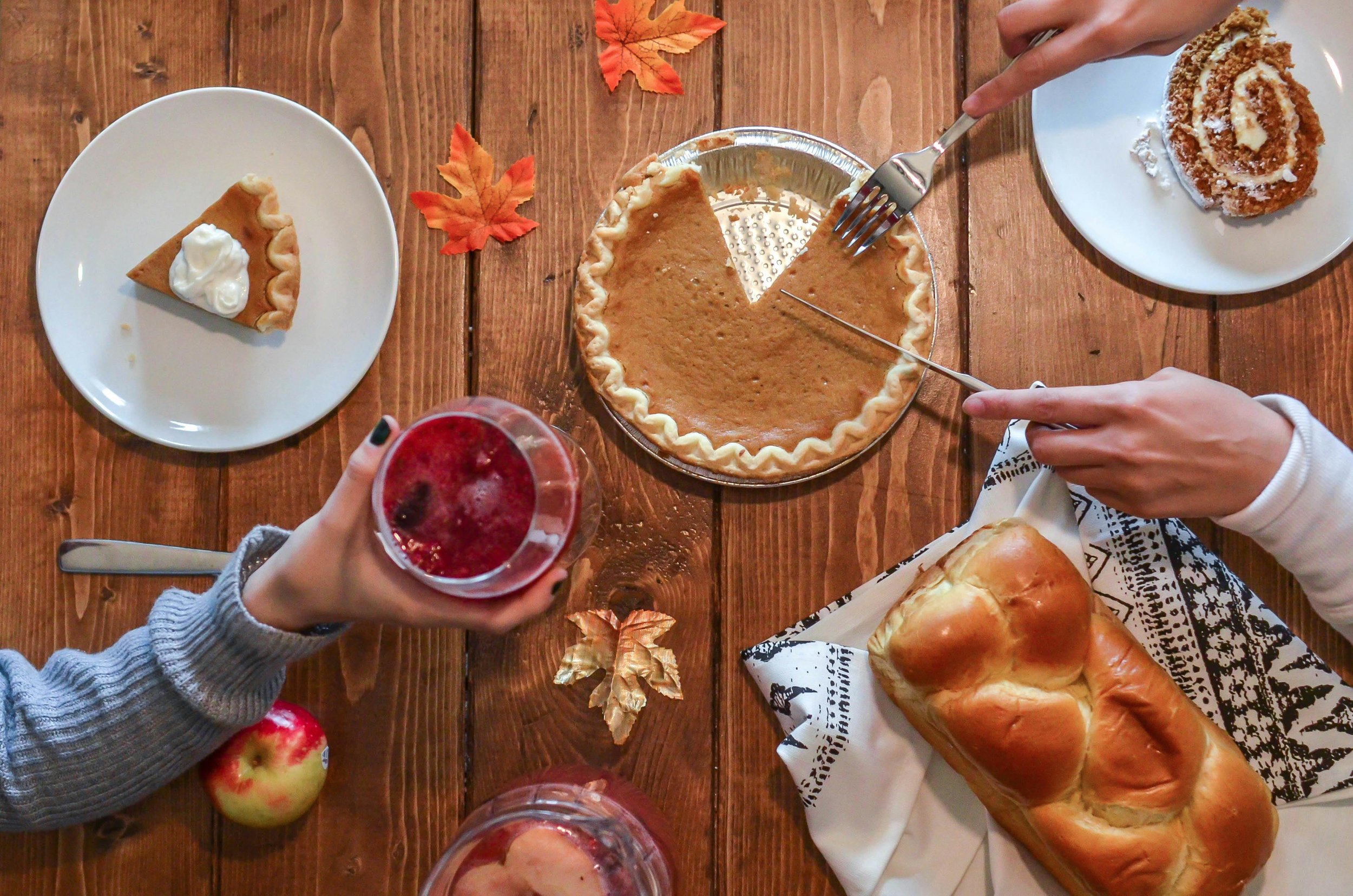
Who Owns The Copyright For AI-Generated Thanksgiving Recipes?
New York Times food writer Priya Krishna used OpenAI products to generate new Thanksgiving recipes and images, prompting the question: who owns the copyright for these recipes? According to OpenAI’s terms of use, Ms. Krishna owns them, but in reality, copyright for machine generated content is more complicated than that.

<em> Andy Warhol Foundation v. Goldsmith </em>
Outside the U.S. Supreme Court, the public line elongated as more spectators joined and waited on the chilly morning of October 12th. Around 10 A.M., the Court heard the oral arguments in an art appropriation case, Andy Warhol Foundation v. Goldsmith. The Court granted certiorari and reviewed the holding of the U.S. Court of Appeals for the 2nd Circuit. The petitioner Andy Warhol Foundation challenged the lower court's decision in fair use defense. That evening, AUWCL hosted the "I.P. at the Supreme Court series: Andy Warhol Foundation for the Visual Arts v. Goldsmith." The panelists carefully surveyed the oral arguments and the 2nd Circuit's decision. This article provides readers with the background of the 2nd Circuit decision and some principal precedents that contoured the fair use doctrine.

Copyright’s Potential Infractions on the Right of Publicity
The intersection of copyright for tattoo artists and the right to publicity remains unresolved, with courts struggling to balance these rights. Tattoo artists seek copyright protection for their designs, while individuals and corporations with tattoos argue they control their own image under the right to publicity.

Steamboat Willie Enters Public Domain
On January 1, 2024, Steamboat Willie from Walt Disney Animation Studios entered the public domain. Disney successfully extended copyright through lobbying, but recent laws led to its expiration. Horror adaptations of Steamboat Willie are planned. Despite concerns, Disney's brand and trademark protections likely shield it from significant harm.
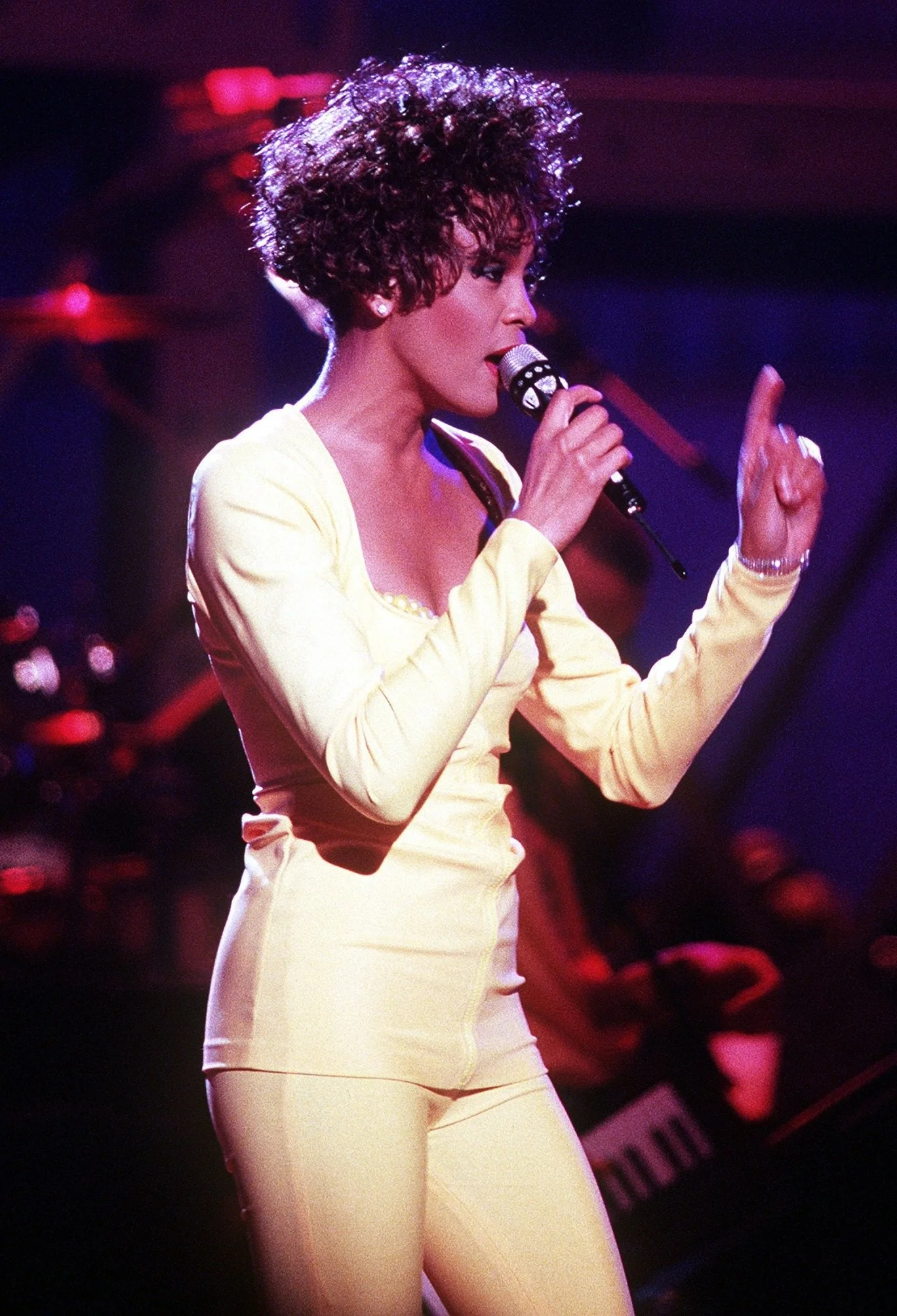
Biopic Legal Woes: Sony Suit Over Unpaid Fees
Two years after the Whitney Houston Biopic was released in theaters in the winter of 2022, Sony filed suit against Anthem Films LLC for unpaid fees concerning the late singer’s recordings held by Sony that were used in the Biopic.

Ex’s and Oh No’s: Bad Bunny’s Ex Sues for Copyright Infringement
Puerto Rican rapper Bad Bunny was sued for copyright infringement by his ex-girlfriend who claims that her voice is used without her consent in two songs: “Pa Ti” and “Dos Mil 16.”

Game Development and Copyright Infringement: Valve, South Korea, and <em> Dark and Darker </em>
This case study illustrates how intellectual property affects the fastest-growing entertainment medium in the world through an analysis of the legal drama surrounding Dark and Darker, a hit indie game that was delisted from digital storefronts following allegations of copyright infringement.

No Right to Copyright for AI
The owner of an artificial intelligence filed a suit against the United States Copyright Office for denying his application for a piece of visual art created by the AI. This case has recently been appealed and will be a landmark decision regarding the rights of AI and their owners to the work that is created by AI.

The Copyright Royalty Board Affirmed Royalty Rates from 2022 and Set Rates Through 2027
In the summer of 2023, after streaming services appealed the 2018 decision by the Copyright Royalty Board that decided phonorecord licensing rates, the Board affirmed its original decision that granted artists 15.1% of the streaming services’ overall revenue through 2022. The Board also set rates to increase to 15.35% through 2027.

Statute of Litigations: The Supreme Court Remixes Copyright Rules
The Supreme Court has granted a petition to review the 11th Circuit’s decision in Nealy v. Warner Chappell Music, Inc. to resolve a circuit split regarding the Copyright Act’s statute of limitations and the circuit courts’ discovery rules regarding copyright infringement.

Beyond Earth: Intellectual Property Rights and Space Exploration
When intellectual property in space is involved, challenges in determining jurisdictional and legal frameworks for space activities, contrasting perspectives on extending Earth's IP laws to space, and contemplating the development of a new set of laws specific to space are prevalent. Clear and comprehensive IP laws are necessary to protect innovators and promote exploration and collaboration in the evolving space industry.